
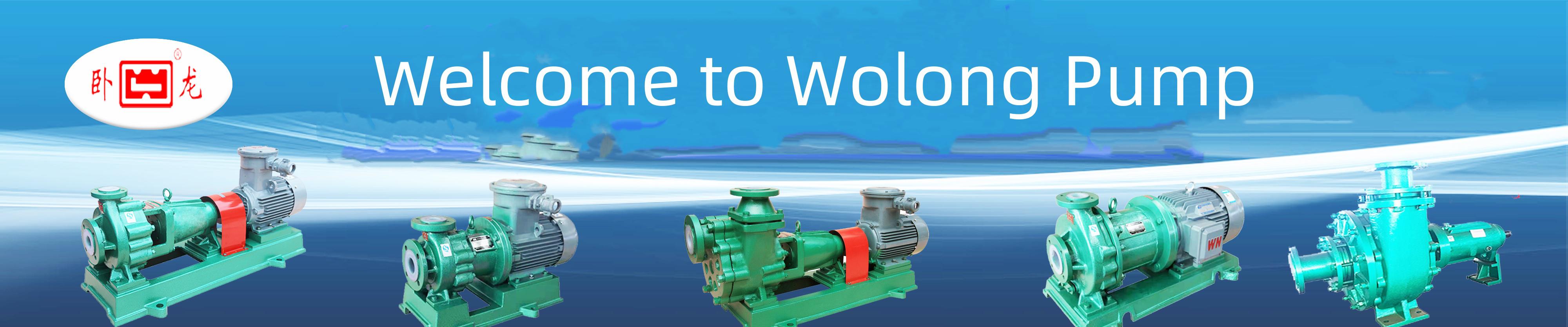
В нефтехимической, водоочистной и химической промышленности центробежные насосы, несомненно, являются «образцовыми рабочими инструментами», но знаете ли вы? 90% отказов корпуса насоса, перегорания двигателя и протечек уплотнений происходят не из-за старения оборудования, а из-за небольшой ошибки при запуске и остановке.
Как профессиональный производитель, специализирующийся на фторпластиковые насосы и центробежные насосы На протяжении многих лет компания Anhui Wolong Pump Valve сталкивалась с многочисленными случаями повреждения оборудования из-за нестандартной эксплуатации. Сегодня мы подробно расскажем о стандартных параметрах запуска и остановки центробежных насосов из фторопласта, чтобы помочь вам обеспечить первую линию защиты оборудования и гарантировать стабильную работу каждого насоса Wolong Pump Valve на протяжении всего срока службы!
Будь то центробежный насос из фторпластика или обычный промышленный центробежный насос, ключ к его работе скрыт в этой мнемонической схеме: выпуск насоса → осмотр диска → закрыть выходное отверстие и запустить машину → медленно открыть выходное отверстие → закрыть выходное отверстие и остановить машину; это «спасательный круг» центробежного насоса. Если он сорвется или изменит направление вращения, это может привести к срабатыванию защиты двигателя или к утилизации насоса!
1. Перед запуском: сначала устраните «скрытые опасности»; Выпуск насоса, строго запрещается работа на холостом ходу, так как в насосной камере может быть воздух, а не жидкость, и после включения насоса возникнет сухое трение, из-за которого механическое уплотнение выйдет из строя через несколько минут! Ручное открывание, не прилагайте чрезмерных усилий, поверните муфту рукой 3-5 раз, особенно при перекачивании сред, склонных к кристаллизации; Если нет движения или посторонних шумов, не включайте машину с усилием! Весьма вероятно, что ротор заклинило или заклинило динамические и статические кольцевые поверхности уплотнения машины, что может привести к прямому повреждению рабочего колеса или уплотнения машины и даже подшипников. Вспомогательную систему следует предварительно залить охлаждающей водой, смазочным маслом и промывочной жидкостью для уплотнений, а также запустить за 10 минут до запуска, чтобы обеспечить стабильную температуру масла и давление воды.
2. При запуске: Сохраняйте спокойствие, не беспокойтесь; впускной клапан должен быть полностью открыт, а выпускной клапан — полностью закрыт! Это называется «пуск с закрытым клапаном», что позволяет значительно снизить пусковой ток и предотвратить срабатывание защиты от перегрузки двигателя. Сначала проверьте правильность направления вращения насоса, особенно для двигателей с регулируемой частотой вращения, убедитесь, что направление вращения муфты соответствует направлению вращения насоса. Подождите, пока выходное давление стабилизируется, затем медленно откройте выпускной клапан, следя за током. Не превышайте номинальное значение и открывайте клапан только при отсутствии посторонних шумов или утечек.
3. Эксплуатация: Сосредоточьтесь на 3 ключевых параметрах; Температура подшипников: Температура подшипников скольжения не должна превышать 65 ℃, подшипников качения — 70 ℃, так как перегрев быстро приведет к выходу из строя. Утечка через уплотнение: Капание не должно превышать 3-10 капель в минуту. При сильной утечке следует как можно скорее проверить. Уровень масла: Поддерживайте уровень смазочного масла на уровне 1/2-2/3 от уровня масла, не допускайте его полного избытка и не используйте испорченное масло.
4. При остановке насоса: неправильная последовательность действий, и оборудование напрямую «повреждается изнутри»; сначала медленно закройте выпускной клапан, чтобы предотвратить обратный поток жидкости под высоким давлением. Снова выключите питание двигателя и дождитесь полной остановки насоса. Наконец, закройте впускной клапан.
Освоив стандартные рабочие процедуры, еще важнее быть бдительными в отношении распространенных заблуждений в работе — избегайте ошибок! Не допускайте этих 5 распространенных ошибок!
Для того чтобы облегчить быстрое освоение основных принципов безопасной эксплуатации центробежных насосов, мы специально обобщили принцип «три проверки и три запрета», который необходимо строго соблюдать: ✅ Три проверки: проверьте, полностью ли откачан воздух из заправочного насоса, проверьте, нормально ли вращается насос, и проверьте, исправна ли вспомогательная система; ❌ Три запрета: не допускайте работы на холостом ходу, не допускайте реверса и не используйте впускные клапаны для регулирования потока.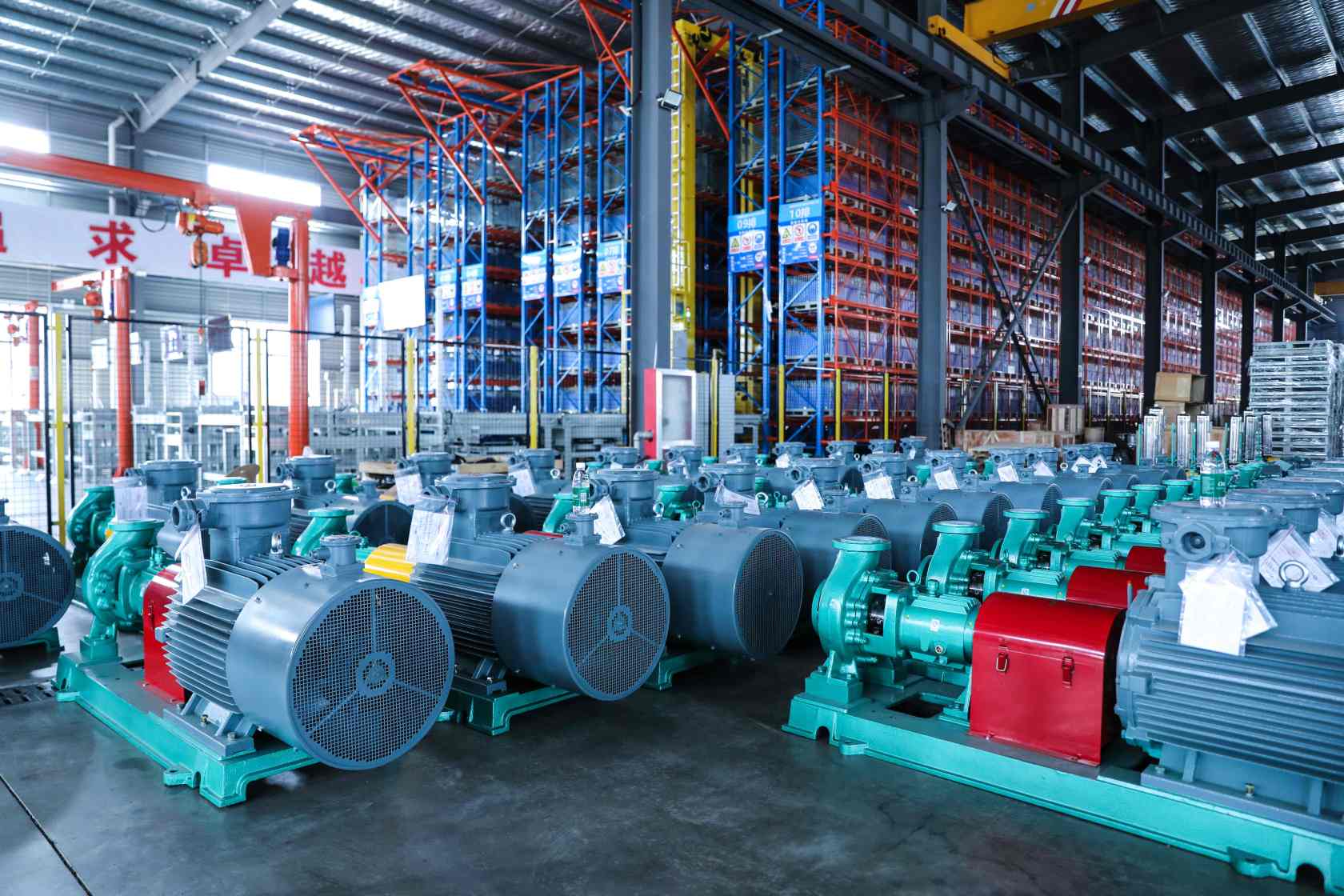
Пожалуйста, читайте дальше, оставайтесь в курсе, подписывайтесь, и мы приглашаем вас рассказать нам, что вы думаете.


Авторское право
@ 2026 Аньхойская компания по производству насосов и клапанов Wolong, LTD. Все права защищены
.
Карта сайта
/ Блог
/ Xml
/ политика конфиденциальности
 ПОДДЕРЖИВАЕМАЯ СЕТЬ
 русский
 English
 한국의
한국의 Tiếng việt
 Indonesia